Emergency Dentist Bakersfield CA: Understanding Urgent Dental Symptoms

A dental emergency rarely arrives at a convenient hour. It tends to show up during dinner, before work, on a Friday night, or right before a family trip. One moment you have a sore tooth that seems manageable, the next you are pacing the kitchen with a swollen jaw and a pain level that makes it hard to think straight. When people search for an Emergency Dentist Bakersfield CA, they are usually not browsing casually. They want to know whether what they are feeling can wait, what they should do right now, and how serious the situation might become if they delay care.
That question deserves a practical answer, because dental pain is not always proportional to the underlying problem. A tiny crack can hurt intensely. A serious infection can begin with what feels like a dull nuisance. Some conditions settle down with a temporary home measure, while others can spread, worsen overnight, and become far more expensive and complicated to treat. Understanding urgent dental symptoms helps you make better decisions in the moment, especially when anxiety is already high.
When a dental problem becomes an emergency
Not every toothache is an emergency, but some clearly are. The difference often comes down to severity, speed, and risk. If the pain is escalating, if swelling is involved, if there is bleeding that does not stop, or if you cannot eat, sleep, or function normally, it has crossed into urgent territory. Trauma changes the picture too. A chipped tooth from biting ice might be uncomfortable but stable. A tooth that has been knocked loose in a fall is a same-day problem.
In practice, dentists look for a few key signs. Is there infection? Is the tooth, gum, or jaw structurally damaged? Is there risk to your airway, surrounding tissues, or long-term tooth survival? Those questions matter more than whether the issue started suddenly or has been simmering for weeks.
Patients often assume they should wait until pain becomes unbearable. That is a costly habit. Many dental emergencies start with a small but meaningful symptom: tenderness when biting, a metallic taste near the gumline, a tooth that suddenly reacts to cold and then keeps aching long after the drink is gone. The earlier a dentist sees a developing problem, the more treatment options usually remain.
The urgent symptoms people should not ignore
Some symptoms are strong signals that you should call a dentist promptly, even if the discomfort briefly comes and goes.
- Severe tooth pain that does not improve, especially if it throbs or wakes you at night
- Swelling in the gums, cheek, jaw, or face
- A broken, cracked, loose, or knocked-out tooth
- Bleeding that continues after pressure is applied
- Signs of infection such as pus, a foul taste, fever, or swollen lymph nodes
Those five situations account for a large share of emergency calls. They can overlap, and when they do, the urgency increases. A cracked molar with no swelling is one type of visit. A cracked molar with swelling and fever is another entirely.
One detail worth stressing is that facial swelling changes the risk profile. Infections inside the mouth do not always stay contained. A tooth abscess can spread into nearby tissues, and the lower jaw in particular can become dangerous if swelling interferes with swallowing or breathing. That is no longer just a dental inconvenience.
https://shanebqhe229.huicopper.com/emergency-dentist-bakersfield-ca-your-local-resource-for-urgent-dental-careToothaches that feel minor, but deserve attention
People often use the word toothache for almost any oral discomfort, but dentists hear important distinctions in the description. Sharp pain when biting suggests one set of issues. Lingering sensitivity to heat points in another direction. A dull pressure can mean clenching, sinus involvement, gum infection, or a tooth whose nerve is inflamed.
A classic emergency toothache tends to have a few hallmarks. It may pulse in time with your heartbeat. It may worsen when you lie down because increased blood flow intensifies pressure around the nerve. It might radiate into the ear, temple, or neck. Patients sometimes say, “It is not just the tooth, it is half my face.” That kind of spread does not always mean the problem is larger anatomically, but it often means the inflammation is significant.
Heat sensitivity is another clue. If cold hurts for a moment and then passes, the issue may still be treatable with a filling or other conservative care, depending on the cause. If hot drinks trigger pain that lingers for minutes, that often suggests deeper pulpal inflammation, sometimes severe enough to require root canal treatment. Dentists do not diagnose from symptoms alone, but patterns matter.
There is also the toothache that comes from a hidden crack. These can be maddening because the pain appears only when chewing certain foods, particularly nuts, crusty bread, or fibrous meat. The tooth may look nearly normal in the mirror. Yet every time pressure hits the crack line, the pain flashes. Left alone, a cracked tooth can split further and become harder to save.
Swelling is one of the clearest warning signs
Pain gets attention, but swelling deserves even more respect. A small puffy area on the gum near one tooth may indicate a localized abscess, often from an infected root. Swelling along the jawline or cheek can mean the infection has moved beyond the tooth itself. Once soft tissues become involved, timing matters.
A common mistake is to take an antibiotic from a previous illness or from a family member and hope it settles down. That is risky for several reasons. First, the wrong antibiotic may do little. Second, infection in a tooth often requires drainage or direct treatment of the source, not just medication. Third, partial improvement can create false confidence while the problem continues underneath.
Dentists who handle emergencies often see patients after two or three days of trying to “wait it out.” By then, the swelling is larger, the tooth is less restorable, and the patient is exhausted from poor sleep and inadequate eating. Early care usually means a simpler visit, better pain control, and a better chance of preserving the tooth.
If swelling is accompanied by fever, difficulty opening the mouth, trouble swallowing, or any change in breathing, it moves beyond routine urgency. Those symptoms can indicate a spreading infection that needs immediate evaluation.
Broken teeth are not all the same
A broken tooth can be a cosmetic nuisance or a serious structural injury. Much depends on the depth of the break, the location, and whether the nerve is exposed. A tiny chip on the edge of a front tooth may be smoothed or repaired with bonding. A deep fracture through a back molar can create biting pain, bacterial leakage, and instability that worsens every time you chew.
The first hours after a fracture matter because the tooth is vulnerable. Sharp edges can cut the tongue or cheek. The exposed inner layers can become hypersensitive. If the break extends beneath the gumline, home care will not stabilize it.
Trauma cases in Bakersfield often involve ordinary life rather than dramatic accidents. People crack teeth on unpopped popcorn kernels, lose fillings while chewing sticky candy, chip front teeth during recreational sports, or fracture old dental work on a hard tortilla chip. The mechanism matters less than the symptoms afterward. If the tooth becomes sensitive to air, painful with pressure, or visibly mobile, it is urgent.
Dentists also see many broken teeth where there was no obvious accident. In those cases, the tooth may already have had a large filling, a weak cusp, grinding wear, or decay undermining the structure. The final break feels sudden, but the vulnerability was building for months or years.
What to do before you reach the dentist
There is value in simple first aid, not because it solves the problem, but because it can reduce damage and buy time until professional care is available. The goal is to stay safe, control symptoms, and protect the tooth or tissues.
- Rinse gently with warm salt water to clear debris and soothe irritated tissue
- Use a cold compress on the outside of the face for swelling or trauma
- If a tooth is knocked out, hold it by the crown, not the root, and keep it moist in milk or saliva
- Avoid chewing on the affected side and skip very hot, cold, or sugary foods
- Take over-the-counter pain relief as directed on the label, unless your physician has told you not to
Two cautions come up often in emergency settings. Do not place aspirin directly on the gum. People still try this, and it can chemically irritate or burn the tissue. Also, do not ignore a knocked-out permanent tooth because it “looks hopeless.” Quick action can dramatically improve the chances of saving it, especially if it is reimplanted or preserved properly and seen by a dentist fast.
For a lost crown, if it slips off cleanly and the tooth underneath is not badly damaged, some people can temporarily reseat it with over-the-counter dental cement from a pharmacy. That can help for a short time, but it is not a substitute for an evaluation. If the crown came off because decay has formed under it, the issue remains.
Knocked-out teeth require speed and calm
A knocked-out adult tooth is one of the few dental emergencies where minutes truly matter. Periodontal ligament cells on the root surface begin to lose viability once the tooth dries out. The shorter the dry time, the better the odds of successful reattachment. Dentists generally want to see that patient immediately.
The best outcome usually comes when the tooth is handled carefully, rinsed only if dirty, and either placed back into the socket or kept moist on the way to care. Scrubbing the root is a mistake. So is wrapping the tooth in a dry tissue. Parents are often surprised by how quickly the window narrows.
Baby teeth are different. They are generally not reimplanted because doing so can damage the developing permanent tooth beneath. That said, a child with oral trauma still needs prompt evaluation, especially if there is bleeding, lip laceration, jaw pain, or concern that fragments were inhaled or swallowed.
Gum emergencies and oral infections
Not every dental emergency starts in the tooth itself. Gum tissue can produce serious symptoms too. A painful swelling between teeth may be a periodontal abscess, often linked to trapped debris, deep gum pockets, or untreated periodontal disease. It can feel more localized than a tooth abscess, but it still needs prompt care.
Pericoronitis is another painful problem, most often around a partially erupted wisdom tooth. Food and bacteria collect beneath a flap of gum tissue, creating swelling, bad taste, and difficulty chewing. Some patients notice that the pain spreads toward the throat or ear. In severe cases, jaw opening becomes limited. While salt water rinses can help temporarily, recurrent pericoronitis often requires more definitive treatment.
There are also cases where what feels like a dental emergency turns out to be a sore, lesion, or ulcer requiring a different kind of oral evaluation. A canker sore can be intensely painful but is usually not an emergency. A rapidly enlarging lesion, persistent bleeding area, or unexplained tissue change deserves professional attention, even if it is not causing dramatic pain.
How dentists decide what needs to happen that day
Emergency appointments are not always full treatment visits. Sometimes the immediate goal is to diagnose, control pain, drain infection, stabilize a tooth, or place a temporary restoration so the patient can get through the next 24 to 72 hours safely. That can feel anticlimactic to someone who wants a one-visit fix, but it is often the most responsible first step.
Consider a badly infected tooth in a patient with significant swelling and limited mouth opening. The dentist may focus first on imaging, anesthesia, drainage if indicated, medication when appropriate, and a short-term plan for definitive treatment once inflammation is better controlled. In another case, a front tooth fractured in a visible area may be repaired cosmetically the same day because the tissues are stable and the treatment is straightforward.
Judgment matters. So does the overall health picture. Diabetes, immune suppression, pregnancy, bleeding disorders, and certain heart conditions can affect both risk and treatment choices. A good emergency dentist does not just look at the tooth. They consider the patient in the chair.
When urgent dental symptoms are actually medical emergencies
This distinction matters because some oral and facial symptoms belong in an emergency room, not just a dental office. Trouble breathing, significant trouble swallowing, rapidly spreading swelling, uncontrolled bleeding after trauma or extraction, and high fever with facial swelling all warrant immediate medical attention. So does any jaw injury where the bite has shifted dramatically or there is concern for fracture.
Another scenario is trauma that includes loss of consciousness, heavy facial impact, neck injury, or deep cuts. Teeth may be involved, but those cases need broader medical assessment first. Dental care is part of the response, not the entire response.
People sometimes worry about “overreacting.” In my experience, the bigger problem is underreacting. If the swelling is moving, if the patient cannot stay hydrated, or if speech and swallowing are changing, that is not the time for guesswork.
Why waiting often makes treatment more invasive
Dental tissue has a way of narrowing your options over time. A cavity that could have been handled with a modest filling may become a toothache requiring root canal therapy. A small crack may spread until the tooth is no longer restorable. A localized gum infection can deepen and damage the supporting bone.
Cost follows the same pattern. Patients usually hope delay will save money, but once a tooth weakens, infects, or breaks further, treatment tends to become more extensive. There can also be indirect costs: missed work, poor sleep, inability to eat comfortably, and repeated spending on temporary fixes that do not address the source.
One of the more frustrating emergency visits is the weekend pain that started “a few months ago, on and off.” By the time it becomes intolerable, the tooth has often passed the point where the simplest option is still available. Dentists are not judging those patients. Life gets busy. Insurance timing gets complicated. People hate the idea of needing treatment. Still, from a clinical standpoint, earlier almost always offers more choices.
Bakersfield-specific practical realities
Searching for an Emergency Dentist Bakersfield CA usually happens under stress, and local practicalities matter. Bakersfield covers a broad area, traffic and heat can affect how quickly someone can get to an office, and many people are juggling work schedules that do not leave much flexibility during standard business hours. That makes triage by phone especially important.
A well-run dental office will usually ask focused questions: Is there swelling? Is the tooth broken or knocked out? Is there fever? Are you bleeding? Can you swallow normally? Did this happen today? Those questions are not just administrative. They help determine whether you need immediate dental treatment, urgent medical care, or the next available appointment.
If you call late in the day, be ready with a clear summary. Describe the location, the type of pain, what triggered it, whether swelling is visible, what medication you have taken, and whether the problem affects breathing, swallowing, or sleep. That information helps the team act quickly.
How to reduce the odds of needing emergency care
Emergency dentistry can never be eliminated completely. Accidents happen. Old restorations fail. Teeth crack despite good habits. Still, the volume of urgent problems drops sharply when people address routine care before symptoms become severe.
Small warning signs deserve attention. Food packing around one tooth, a crown that feels loose, occasional pain when chewing, or cold sensitivity that is getting stronger month by month may not feel dramatic, but those are the issues that often blow up later. A short appointment in regular time is almost always easier than a same-day emergency squeezed between swelling and pain.
Night grinding is another underappreciated factor. Many cracked molars and fractured fillings come from chronic bite stress, not one memorable bite. If you wake with jaw soreness, flattened teeth, or chipped enamel, it is worth discussing a night guard before a cusp breaks off on a weekend.
The bottom line on urgent dental symptoms
Urgent dental symptoms are not just about pain tolerance. They are about infection, structural damage, timing, and long-term tooth survival. Severe pain, swelling, trauma, persistent bleeding, and signs of infection all deserve prompt professional attention. The sooner the problem is evaluated, the more likely it is that treatment can stay focused, effective, and tooth-conserving.
When people look for an Emergency Dentist Bakersfield CA, they are usually trying to answer a simple question under pressure: can this wait? If the symptom involves swelling, a broken or loose tooth, unrelenting pain, or any sign that normal eating, sleeping, or swallowing is affected, the safest assumption is that it should not. Prompt care does more than stop discomfort. It protects your health, your time, and often the tooth itself.
Smyle Dental Bakersfield
2016 E St, Bakersfield, CA 93301, United States
+16614939040
FAQ About Emergency Dentist Bakersfield CA
What counts as a dental emergency?
Severe tooth pain, facial swelling, uncontrolled bleeding, a knocked-out or displaced tooth, and significant dental trauma may need prompt assessment. Trouble breathing or rapidly increasing swelling requires urgent medical help.
What should I do if a permanent tooth is knocked out?
Handle the tooth by the crown rather than the root, keep it moist, and contact a dentist immediately. Fast treatment can improve the chance of saving the tooth.
Can an emergency dentist treat severe tooth pain the same day?
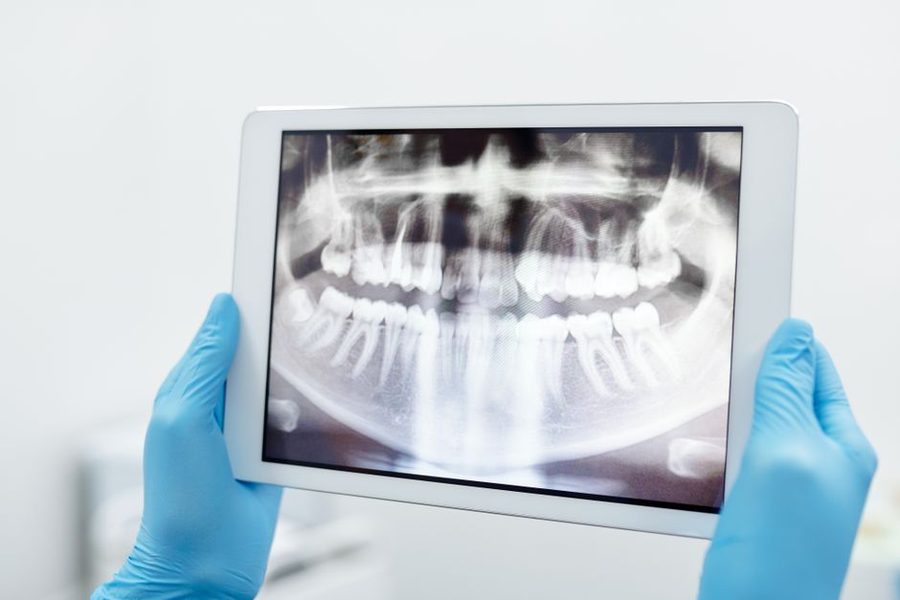
Same-day care may be available depending on the cause and schedule. The dentist will examine the area, may take digital X-rays, and recommend treatment based on the diagnosis.
Should I go to the emergency room for dental swelling?
Seek urgent medical care for trouble breathing, difficulty swallowing, rapidly spreading facial swelling, or other severe symptoms. A dentist can assess the underlying dental cause and provide appropriate follow-up care.